Ideas
What to print for your home, hobbies, workshop and work
- 3D printing for artists and designers: from sketch to physical object
- 3D printing for the workshop and garage: DIY jigs and fixtures
66 articles from our print shop: what you can print, which plastic to choose, how to prepare a model and what it costs.
Each category has its own filament colour, just like on the home page.
What to print for your home, hobbies, workshop and work
PLA, PETG and other plastics: properties and how to choose
How to prepare a model and get a clean part
How 3D printing works and how the technologies differ
Prototypes, small batches and how 3D printing pays off for business
Four articles worth reading before your first order — in this order.
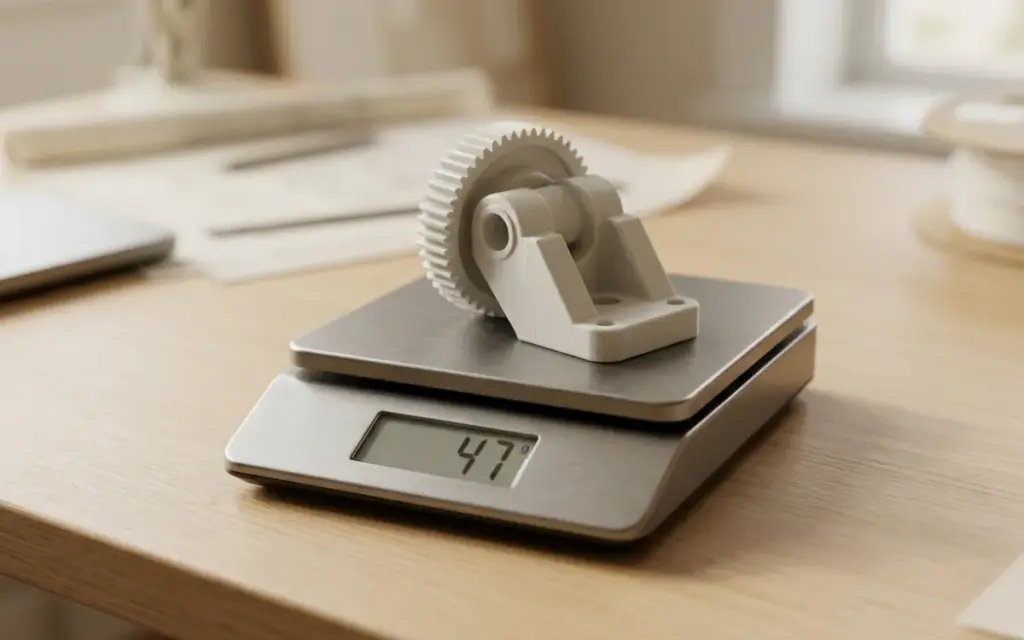
How to calculate the cost of 3D printing: model weight in the slicer × price per gram (PLA from 5, PETG from 6 UAH/g), infill, supports and examples.
Read the article →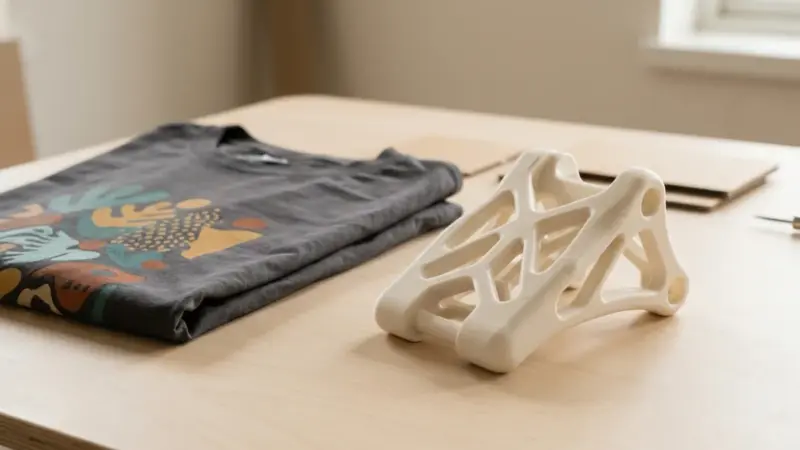
DTF printing applies designs to fabric. 3D printing makes three-dimensional parts. We compare the technologies and prices.
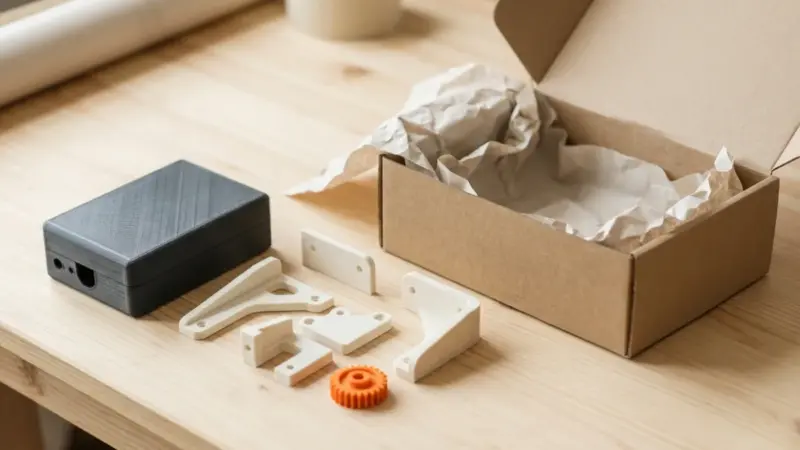
3D printing prices in Lviv: PLA from 5 UAH/g, PETG from 6 UAH/g, a minimum order of 250 UAH. Price examples for parts and a free quote within…
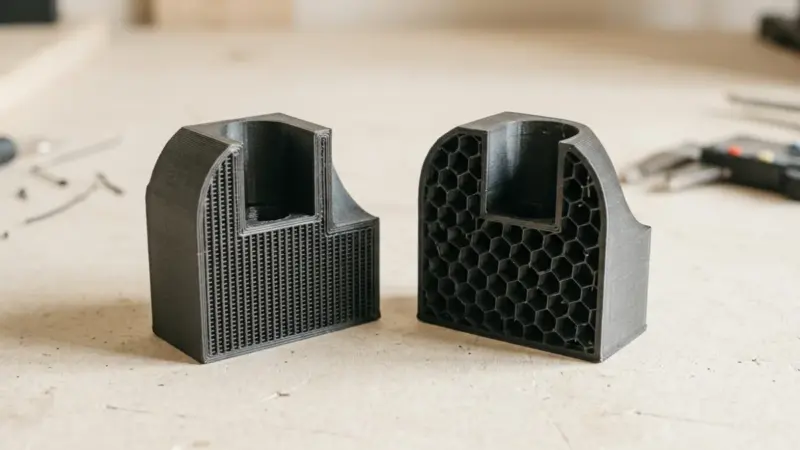
How to save on 3D printing without losing quality. Choosing the material, infill and model orientation. Real examples with prices.

3D printing for artists and designers: sculptures, lithophanes, casting moulds, stamps and installation models. Order quality printing in Lviv.
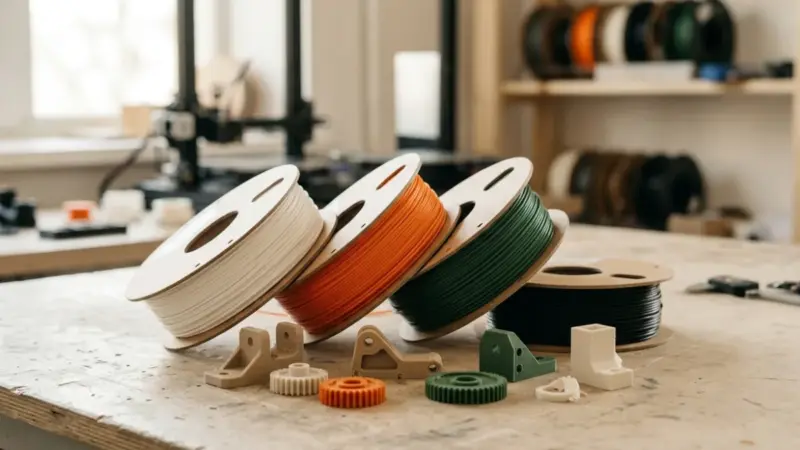
PLA is the most popular 3D printing material. From 5 UAH/g. What it’s good for, its limits and colours. Real experience from a print shop.
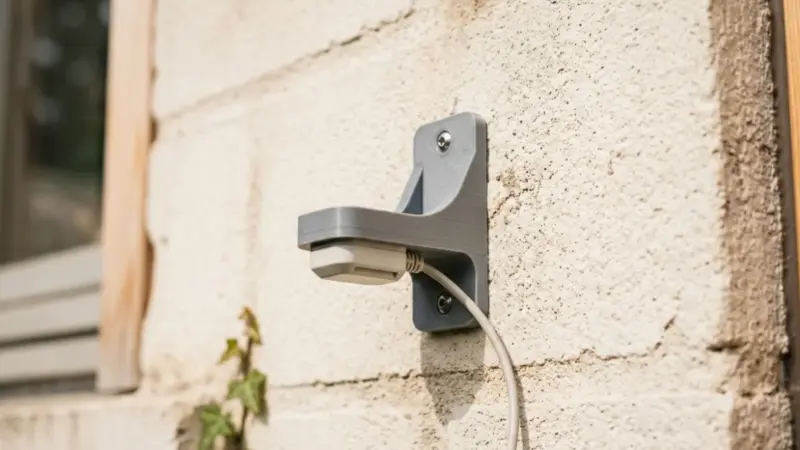
ASA filament for 3D printing — a UV-resistant material for outdoor use. A comparison with ABS, the best print settings and typical applications.
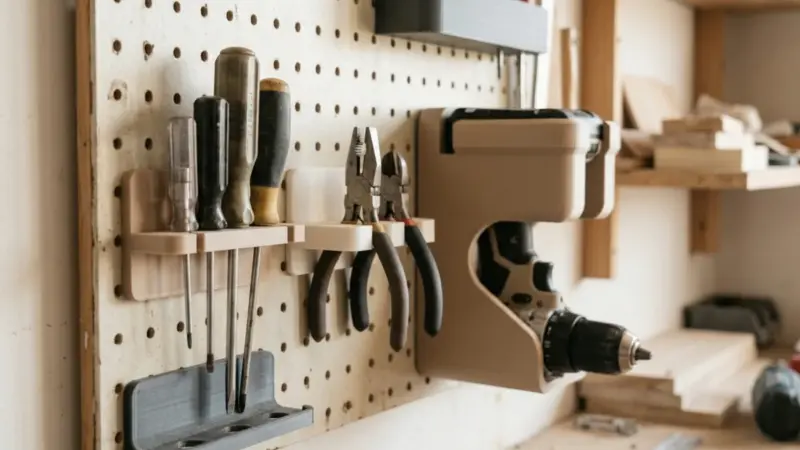
3D printing for the workshop: tool holders, screw organisers, clamps, drilling templates, vacuum cleaner nozzles.

3D scanning for printing: types of scanner, smartphone photogrammetry (Polycam, Luma AI), preparing a scan in Meshmixer and Blender.
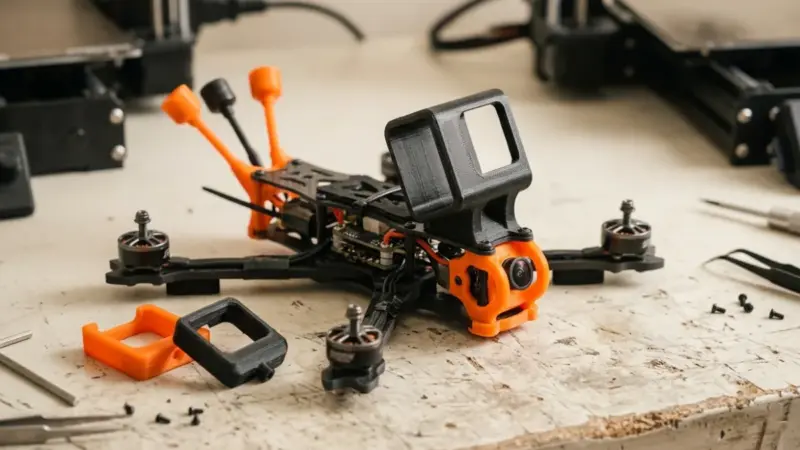
3D printing for drones: TPU propeller guards, GoPro mounts, landing gear, battery holders. PETG and TPU for quadcopters.
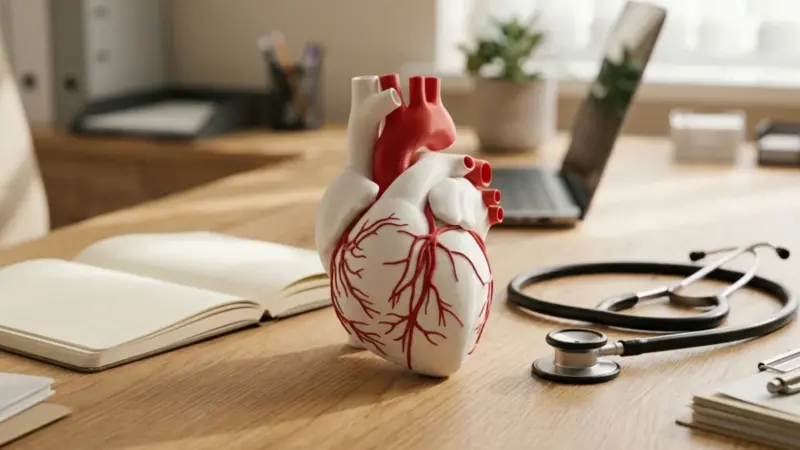
3D printing in medicine: anatomical models from CT/MRI, surgical guides, orthoses, teaching models. PLA, PETG and SLA technologies.
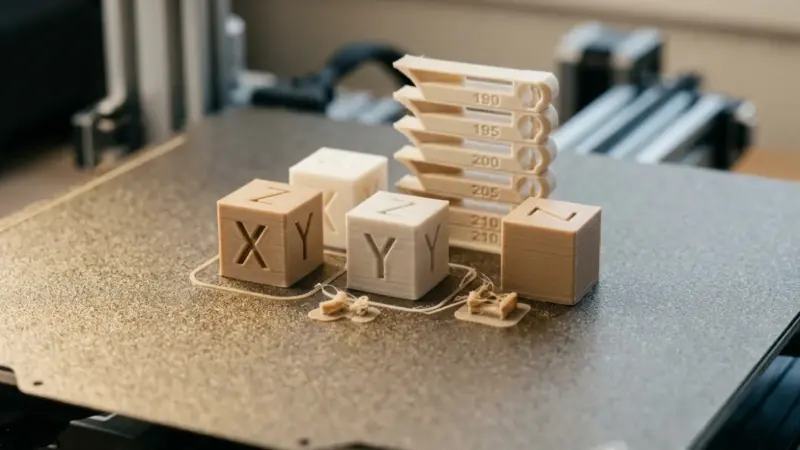
3D printer calibration step by step: bed levelling, Z-offset, E-steps, PID tuning, retraction and the temperature tower test. A beginner’s guide.
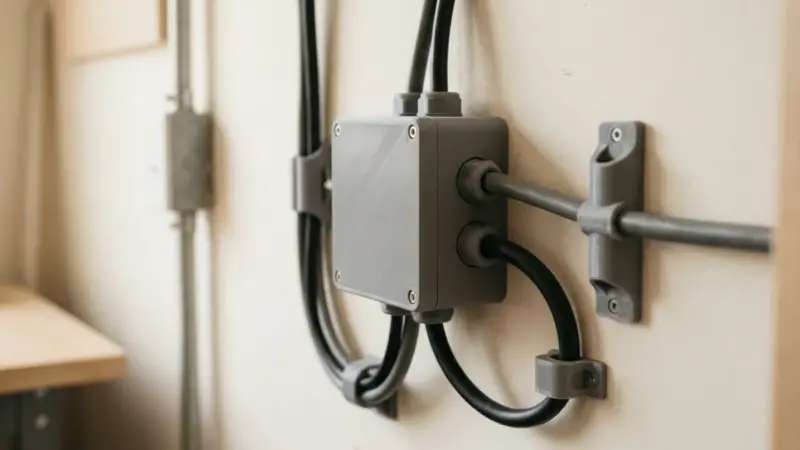
3D printing for electricians: junction box enclosures, DIN rail mounts, cable markers, connector panels. PETG for heat resistance.

3D printing for gamers: custom keycaps, controller stands, headphone holders, VR headset stands and cable management.
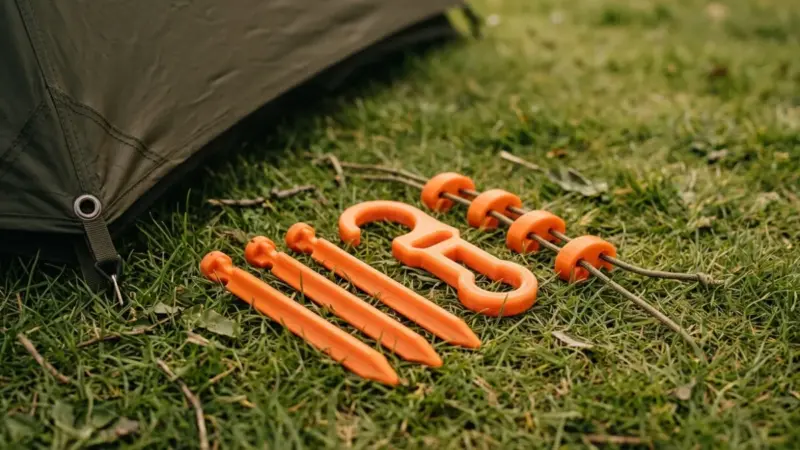
3D printing for camping: torch mounts, carabiners, stove stands, whistles and multi-tool cutlery. PETG for outdoor use.

3D printing for the office: cable management, laptop stands, organisers, headphone holders, signs with your company logo.

3D printing for the bathroom: holders, soap dishes, organisers, shower shelves. Why PETG is the only right material for damp rooms.
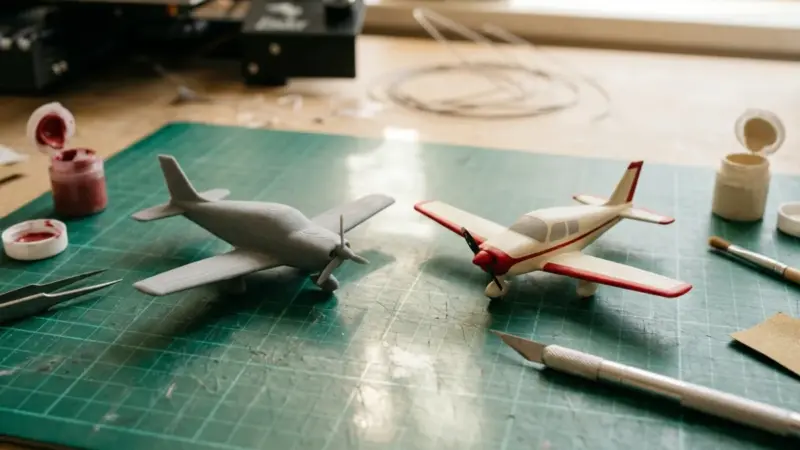
3D printing for modellers: scale models of cars, aircraft and tanks, RC models. Tips on printing, post-processing and painting for realism.
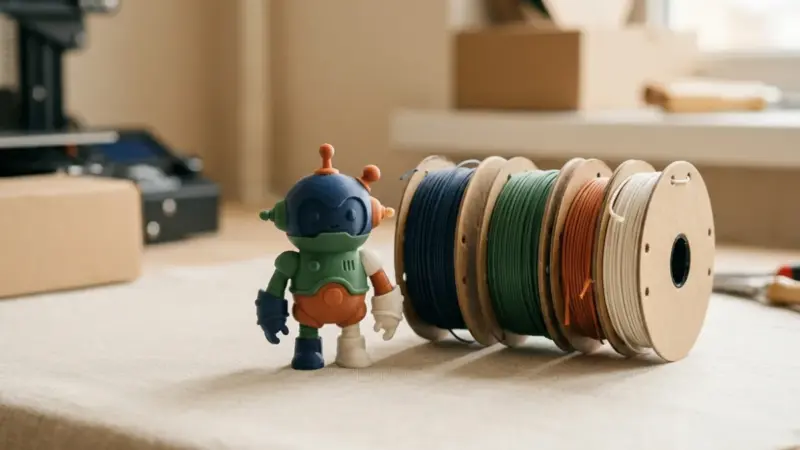
Multicolour 3D printing: manual filament changes, AMS and MMU systems, dual extruders. Preparing the model and typical applications.
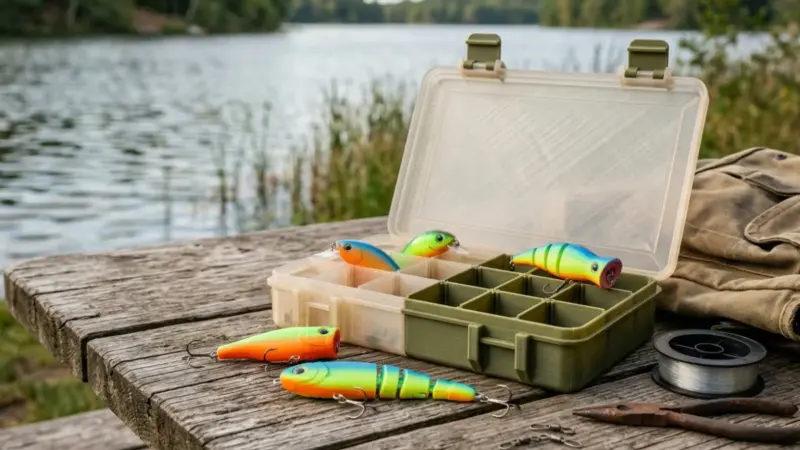
3D printing for anglers: custom lures, tackle organisers, rod holders, fish finder mounts. PETG for water-resistant parts.
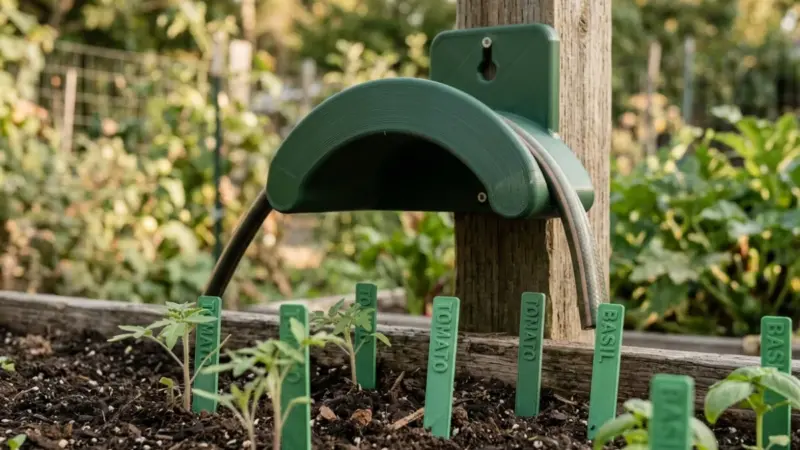
3D printing for the garden: pots with drainage, plant markers, irrigation fittings, bird feeders. PETG for outdoor items.

3D printing for pets: raised bowl stands, puzzle toys, ID tags, custom cat flaps and protective muzzles in PLA, PETG and TPU.
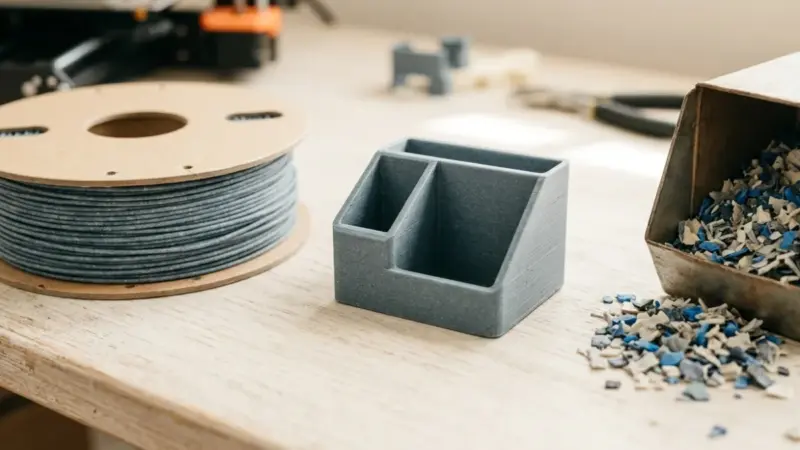
3D printing and the environment: plastic recycling, filament from recycled materials, less waste and local production. Sustainability in 3D printing.
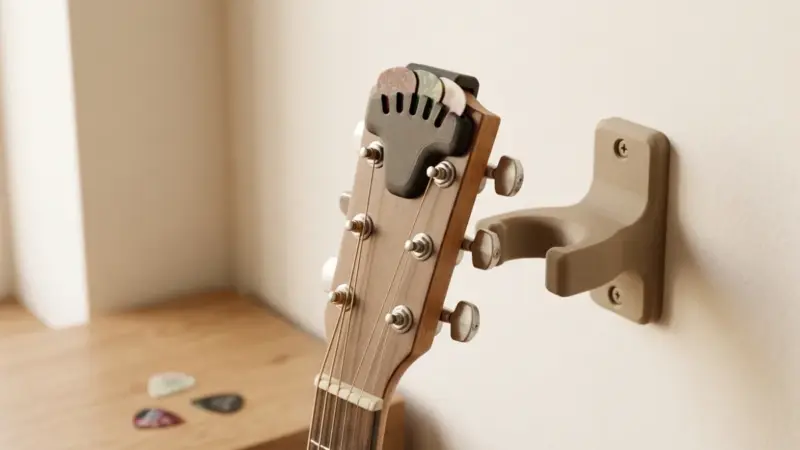
3D printing for musicians: custom picks, instrument stands, microphone mounts, cable and pedal organisers in PLA, PETG and TPU.
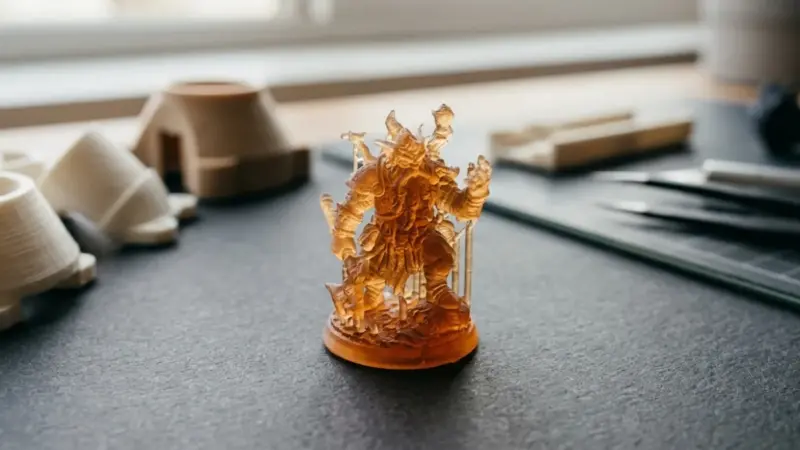
SLA resin 3D printing: how photopolymerisation works, types of resin, detail and post-processing. A comparison with FDM and typical applications.
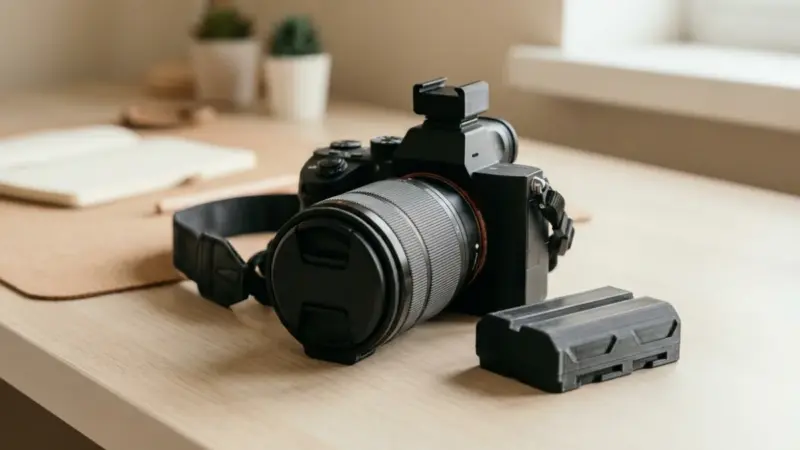
3D printing for photographers: flash mounts, filter holders, tripod adapters and studio organisers. Accessories in PLA and PETG.
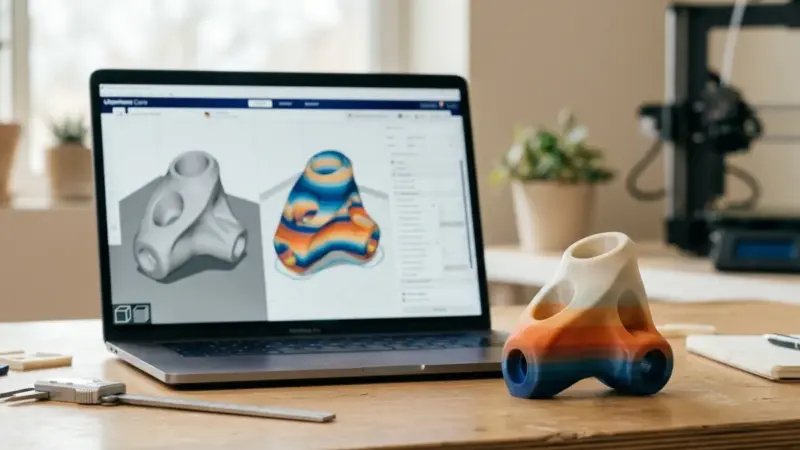
3MF vs STL: comparing file formats for 3D printing. The advantages of 3MF — smaller files, colours, materials and model integrity. Conversion and support.
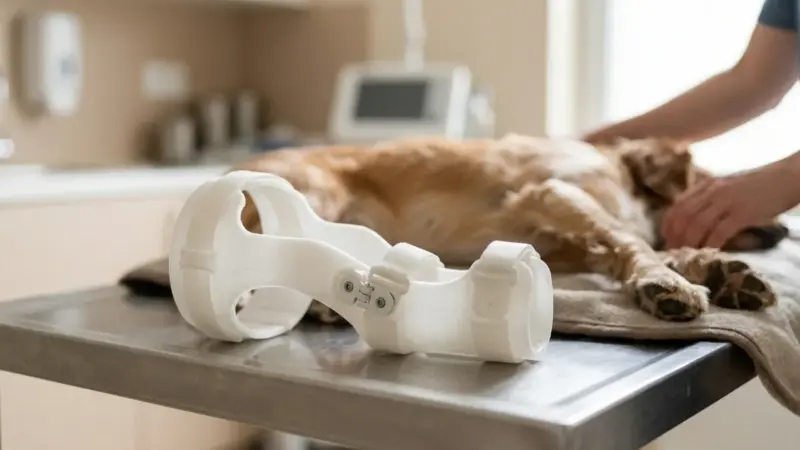
3D printing in veterinary medicine: custom prostheses for animals, orthoses, surgical guides and made-to-measure protective collars. TPU, PLA, PETG.
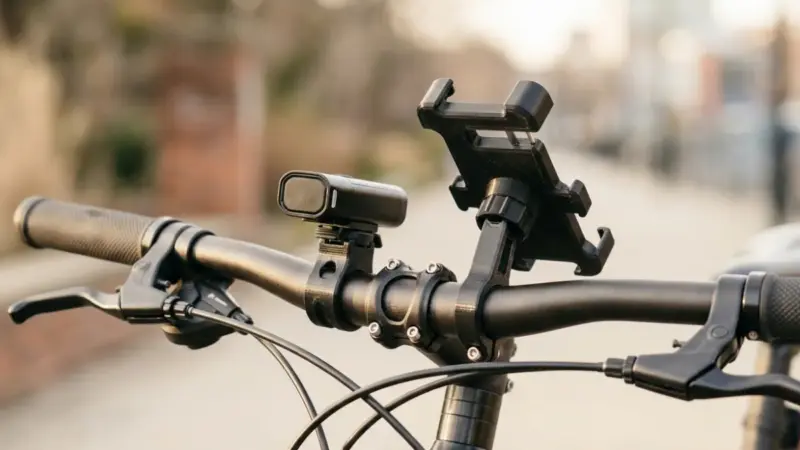
3D printing for cyclists: handlebar phone mounts, GoPro holders, derailleur guards and other accessories in PETG and TPU.
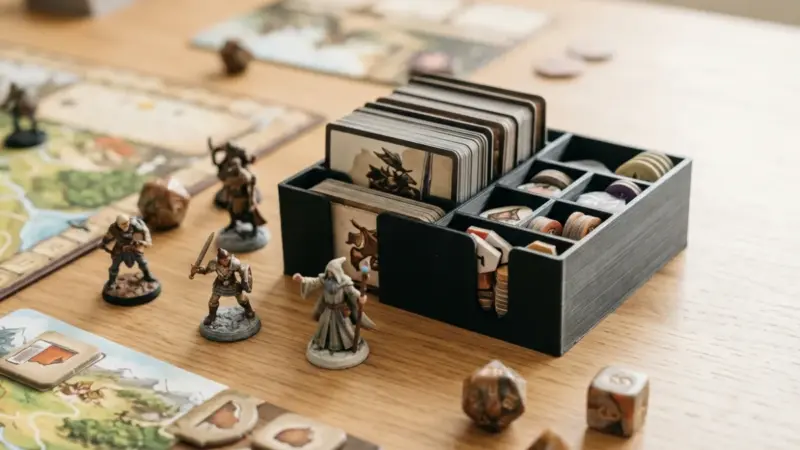
3D printing for board games: miniatures for D&D and Warhammer, custom tokens, dice towers, organisers and terrain. Printed in PLA, ready for painting.

3D printing for the kitchen: spice racks, organisers, cookie cutters, bag clips and other useful things. Custom designs to your dimensions.
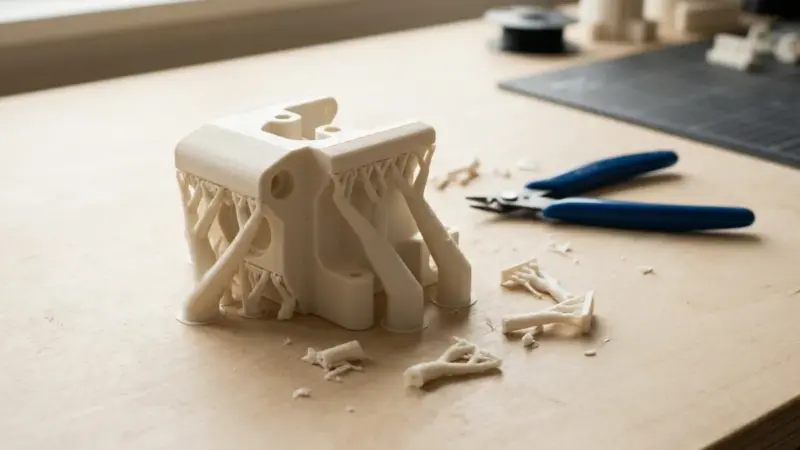
Supports in 3D printing: when they’re needed, what types exist and how to use fewer of them. The 45-degree rule and slicer settings.
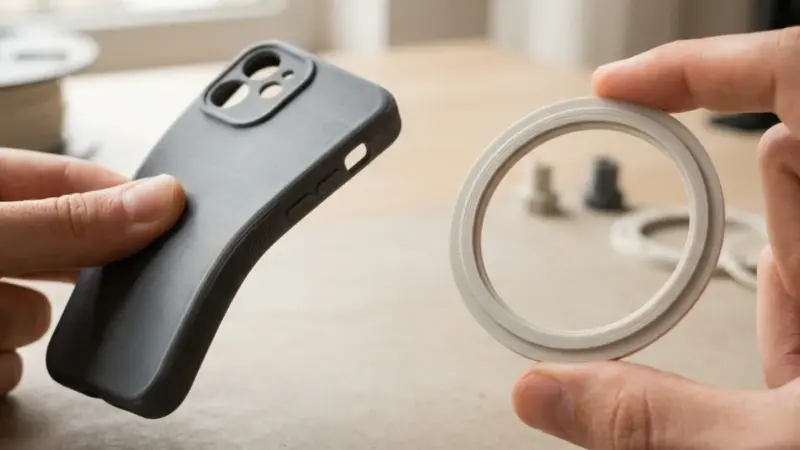
TPU for 3D printing — a flexible, elastic material for cases, gaskets and shock absorbers. Print settings, tips and applications of TPU.
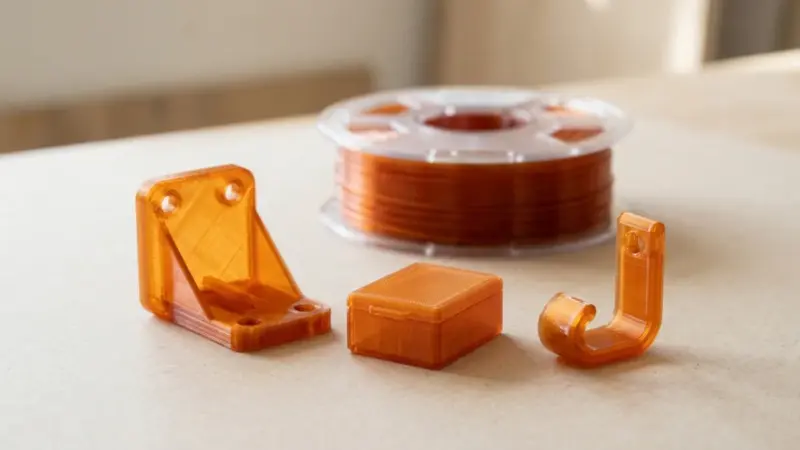
PETG for 3D printing — its properties, advantages over PLA and ABS, print settings and uses. Find out why PETG is chosen for functional parts.
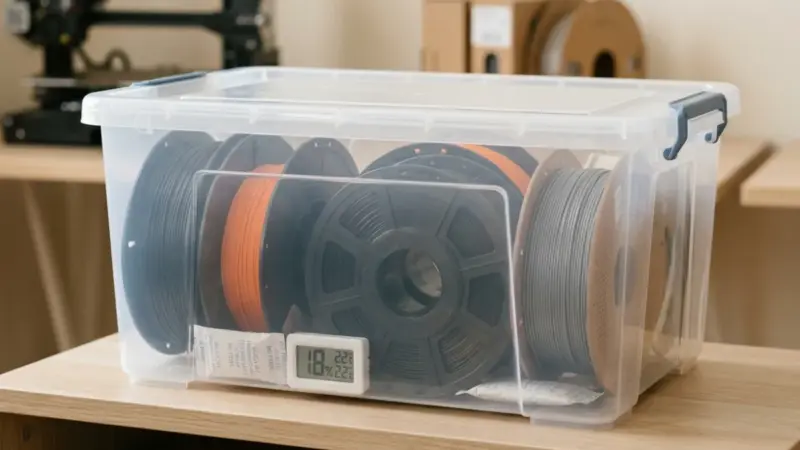
How to store 3D printing filament: vacuum bags, silica gel, dry boxes and dryers. Signs of damp plastic and how to dry it.
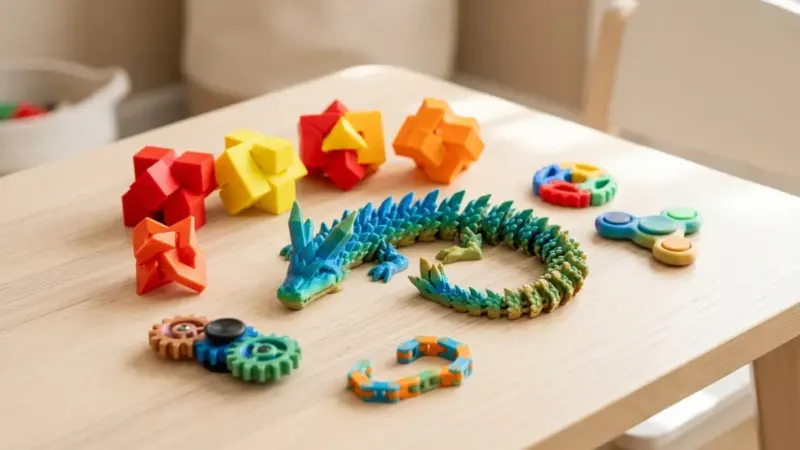
Safe 3D-printed toys for children: puzzles, construction sets and educational models. PLA is a safe material for children’s items.
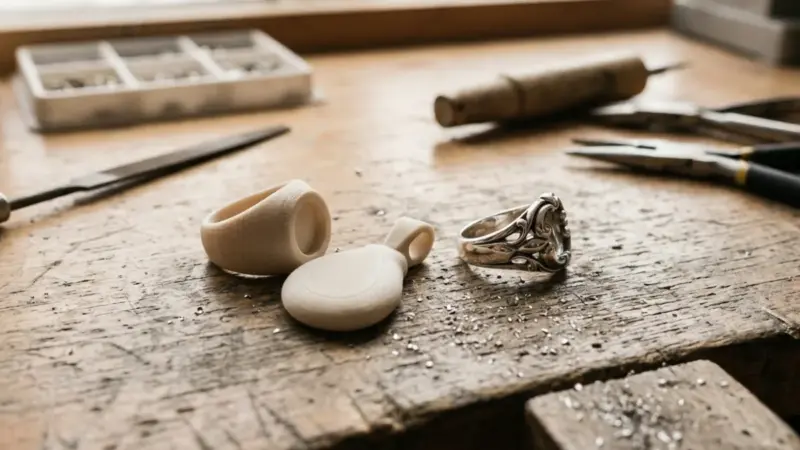
3D printing for jewellers: wax models for casting, prototypes of rings and pendants. SLA/DLP accuracy down to 25 µm for the finest details.
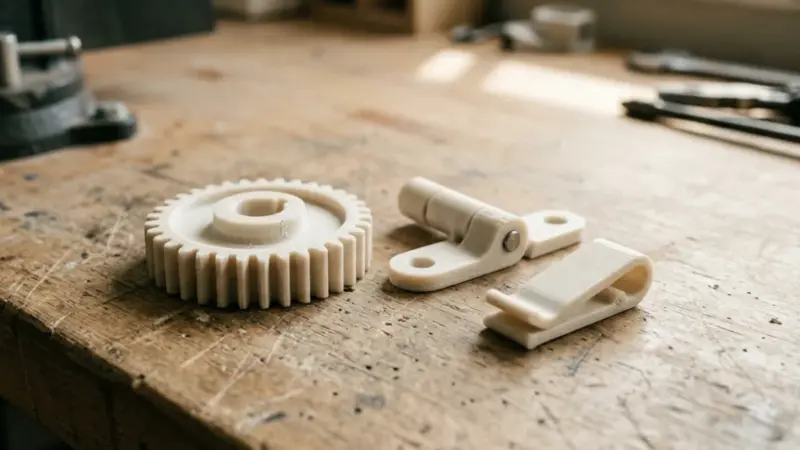
Nylon (PA6, PA12) for 3D printing: maximum strength, wear resistance and chemical resistance. When to choose nylon over PLA or PETG.

3D printing of architectural models: concept models, detailed scale models and terrain relief. Faster and more precise than making them by hand.
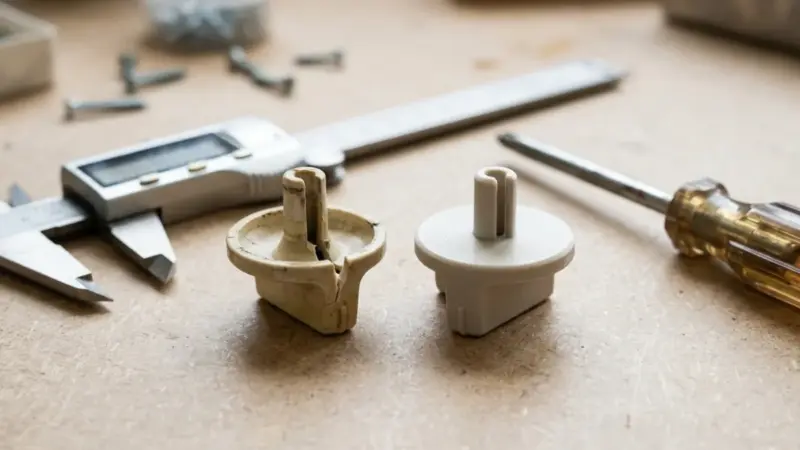
3D-printed spare parts for household appliances: washing machines, dishwashers, fridges, vacuum cleaners. Faster, cheaper and easier than hunting for the original.

3D printing for schools and universities: STEM projects in maths, biology, physics and engineering. How to get started and what to print.
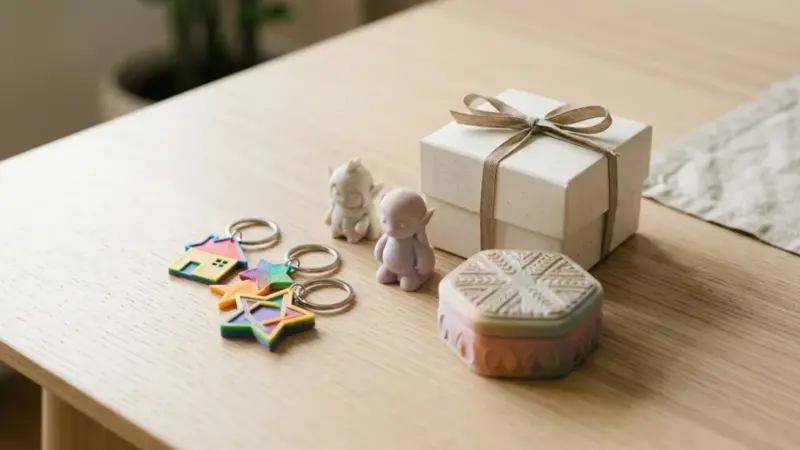
Unique 3D-printed gifts: personalised items, photo lithophanes, figurines and corporate souvenirs. Original ideas for any budget and occasion.
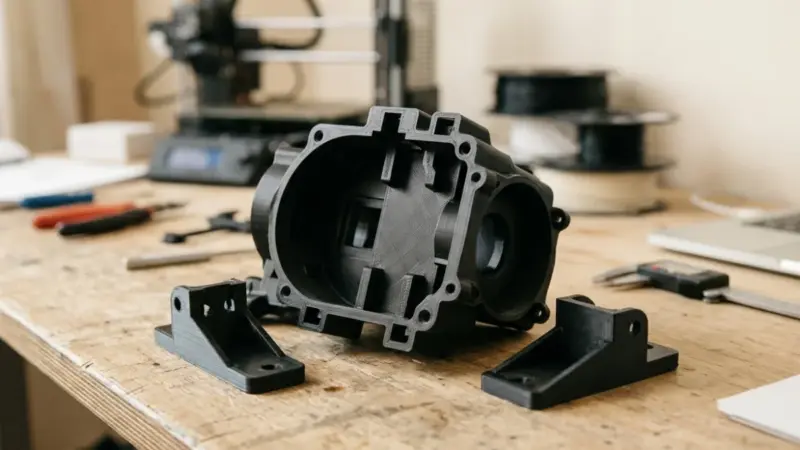
ABS plastic for 3D printing: heat resistance up to +100°C, strength and acetone smoothing. Its properties, advantages and when to choose ABS.
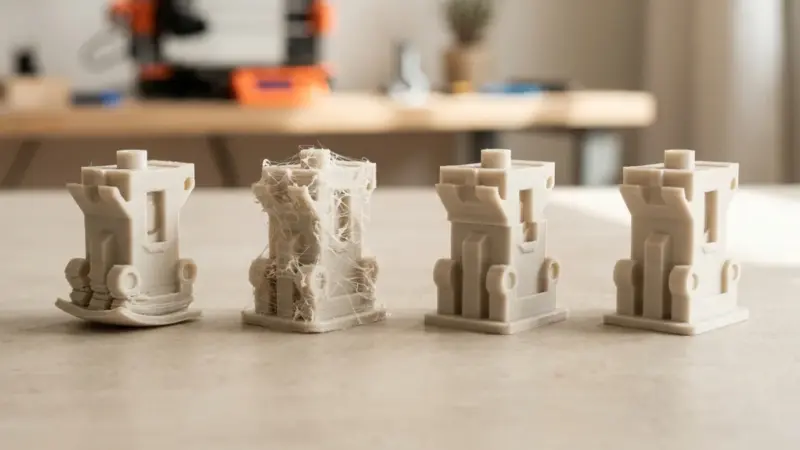
The 8 most common FDM 3D printing problems: warping, stringing, layer shifting and more. A detailed look at the causes and proven fixes for each one.

3D printing for drivers: phone holders, mounts, end caps and organisers for any make of car. Printing in PETG, PLA and TPU.
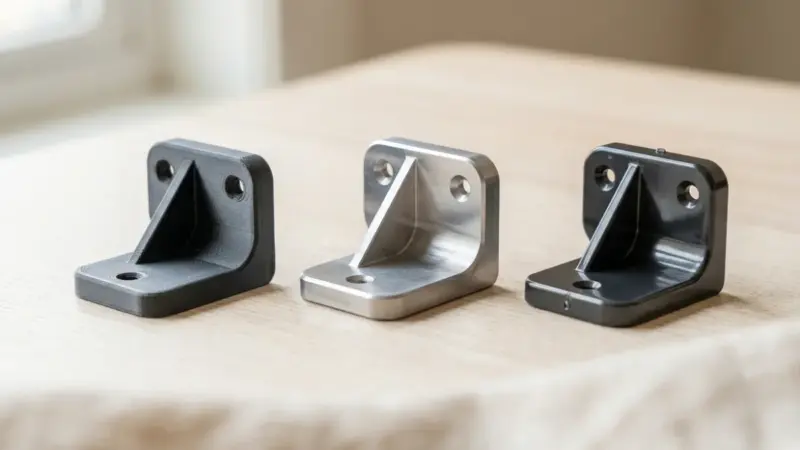
3D printing, CNC milling and injection moulding compared: cost, accuracy, materials and run size. Which technology to choose for your project.

15 practical things for the home you can make on a 3D printer: from desk organisers to hooks and holders. Ideas with descriptions and tips.
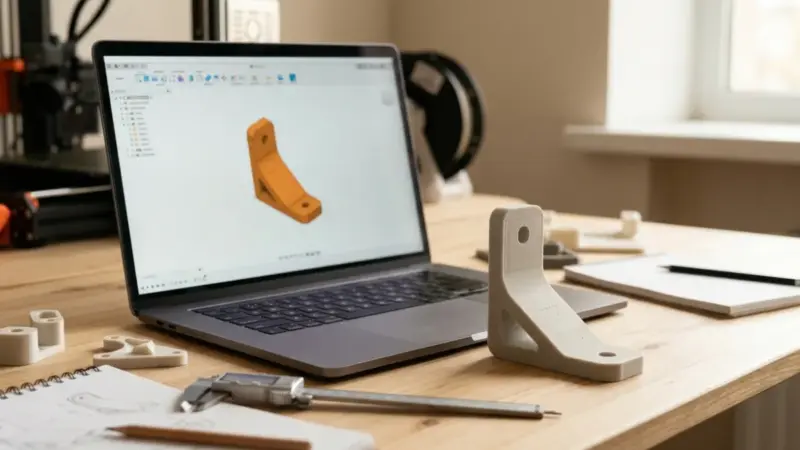
5 free 3D modelling programs: Tinkercad, Fusion 360, Blender, FreeCAD and OpenSCAD. A comparison for beginners.
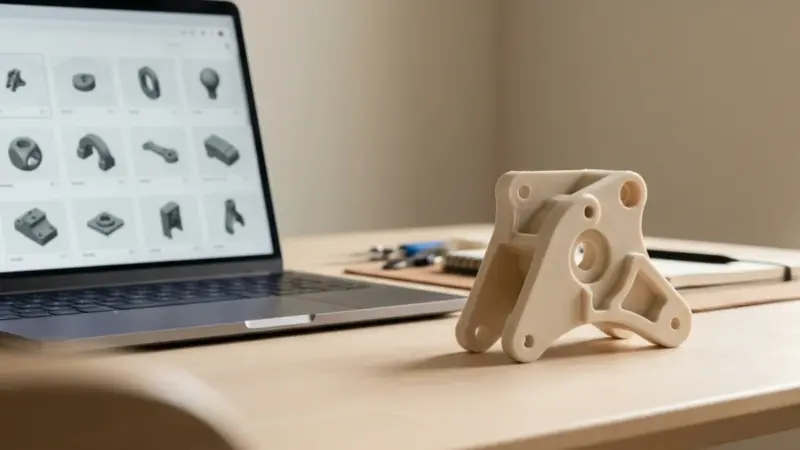
The 6 best sites for free 3D printing models: Thingiverse, Printables, MyMiniFactory and more. A detailed overview and tips on choosing.
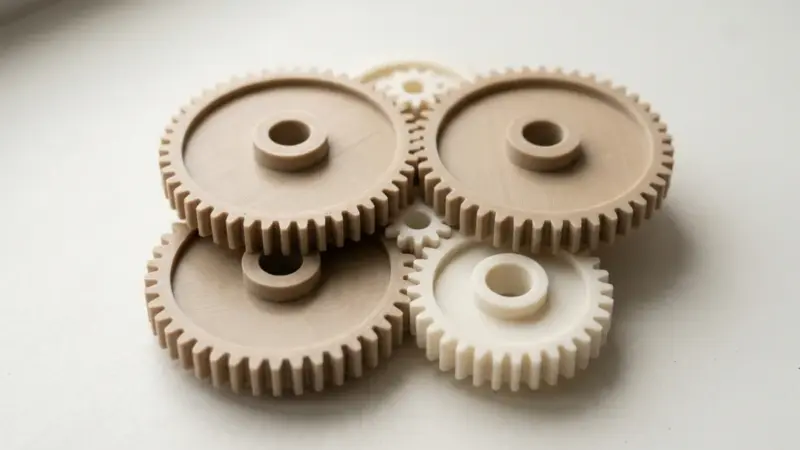
Custom 3D printing of gears, bushings and other mechanical parts. Choosing the material, print settings, tolerances and real-world examples.
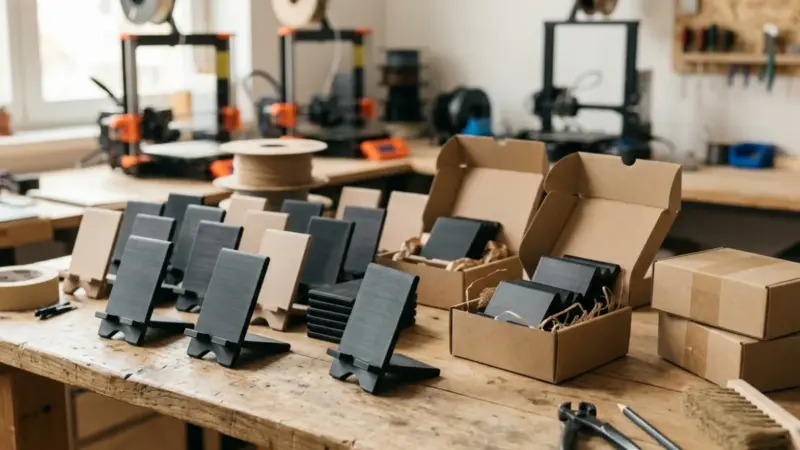
How small businesses use 3D printing: product prototyping, small-batch production, customisation and branded items. Real customer cases.
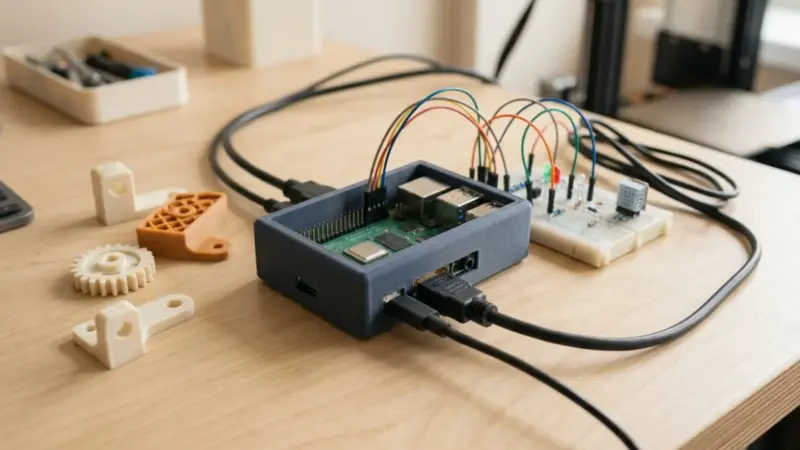
3D-printed enclosures and mounts for Arduino and Raspberry Pi projects. The best ideas, recommended materials and tips on designing parts.
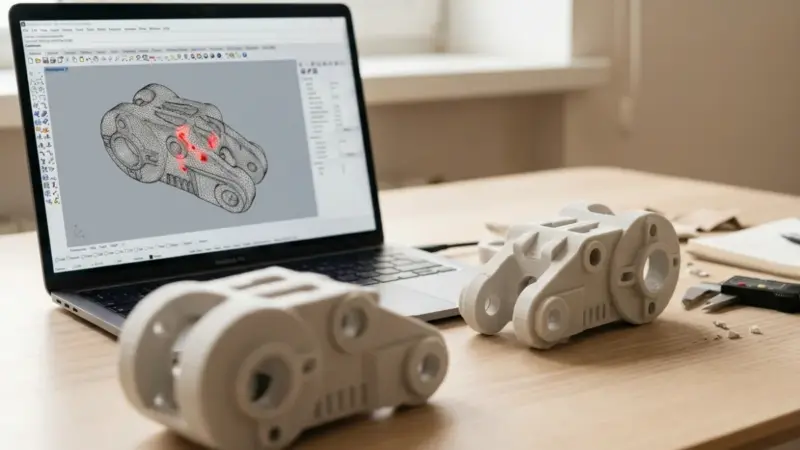
How to prepare an STL file for 3D printing properly: checking for errors, scale, orientation and wall thickness. A step-by-step guide.
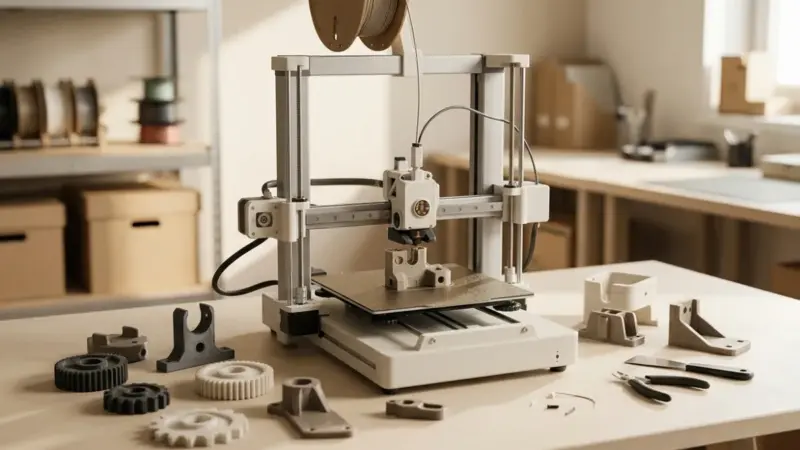
What to look for when choosing a 3D printing service: print quality, available materials, lead times, prices and reviews. A checklist for customers.
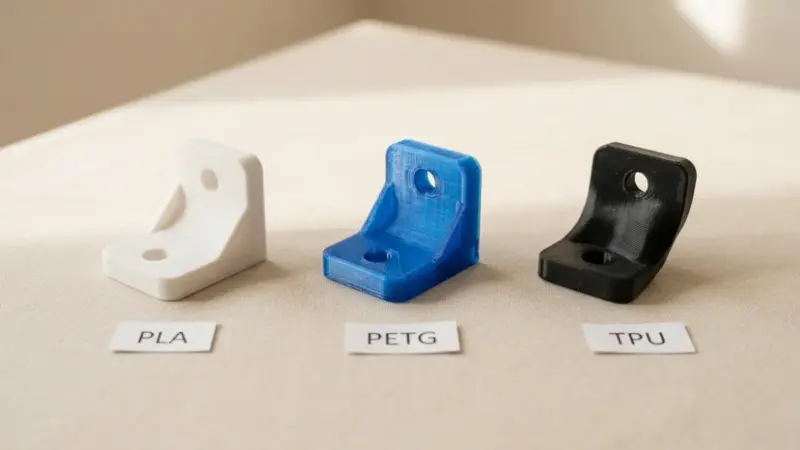
How PLA, PETG and TPU differ: strength, flexibility, heat resistance and price in one table. In short: PLA for decor, PETG for tough parts, TPU for flexible ones.
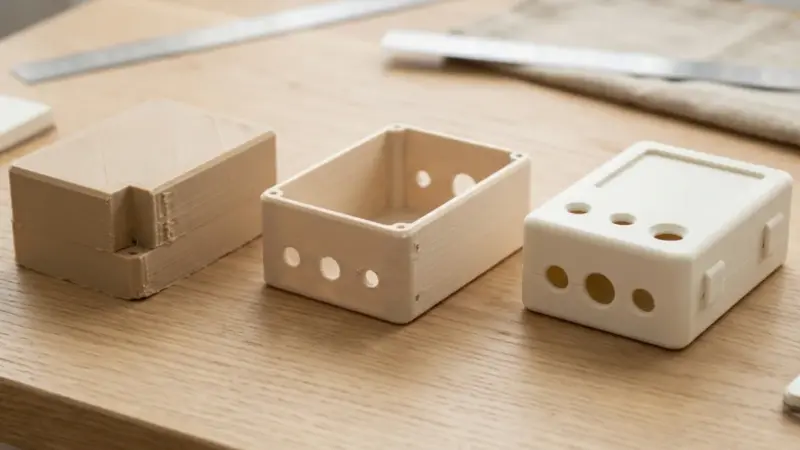
How a startup can test an idea with a prototype: fast iterations, savings on moulds, investor presentations and a cost comparison with traditional manufacturing.
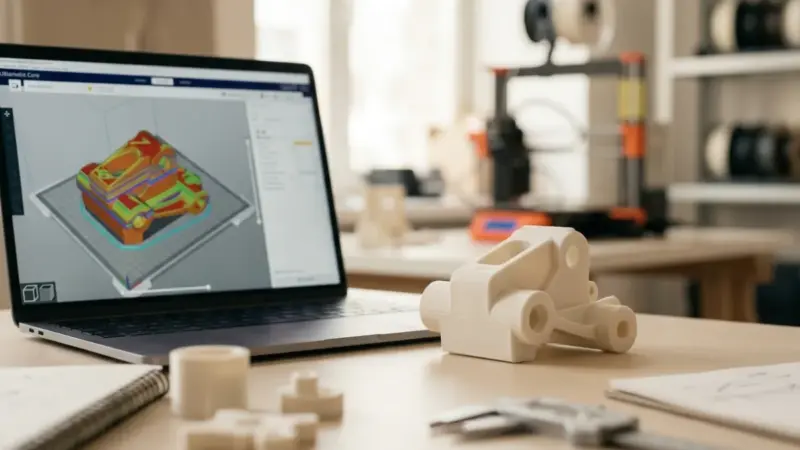
How a slicer turns a 3D model into G-code for the printer: an overview of Cura, PrusaSlicer and OrcaSlicer with settings, tips and a comparison.
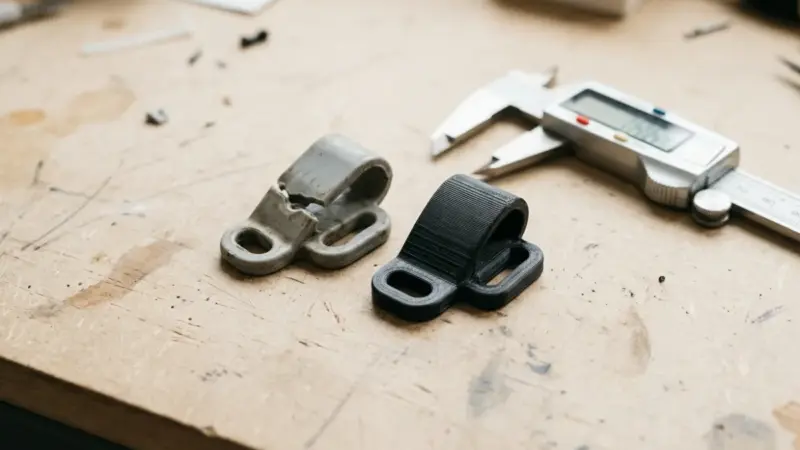
When 3D printing a spare part beats buying one: discontinued parts, urgency, small quantities. Price comparisons, examples and choosing the plastic.
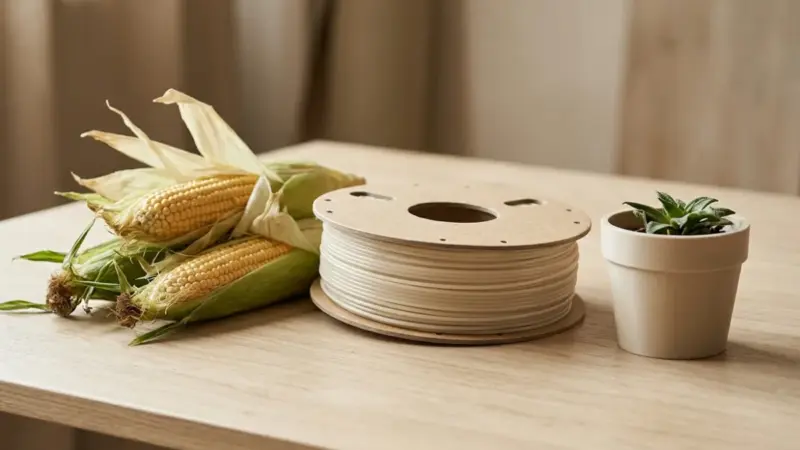
Is PLA really eco-friendly? What it’s made of, the conditions it needs to biodegrade, recycling options and its real impact on the environment.
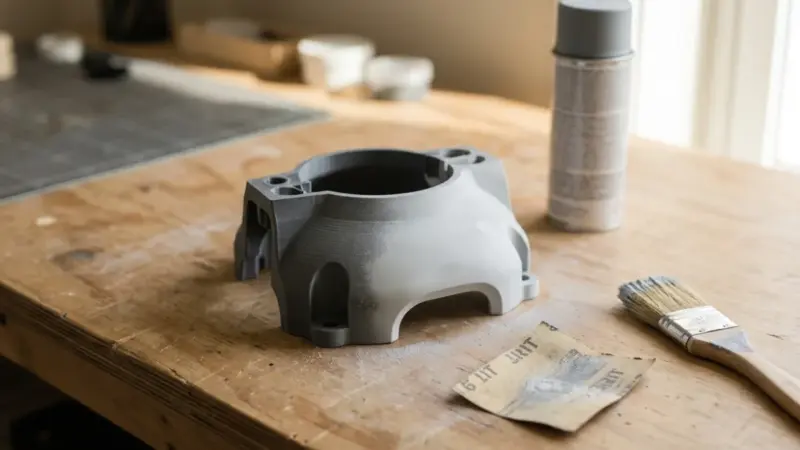
How to improve the look of 3D-printed parts: sanding, priming, painting and acetone smoothing. A step-by-step guide.
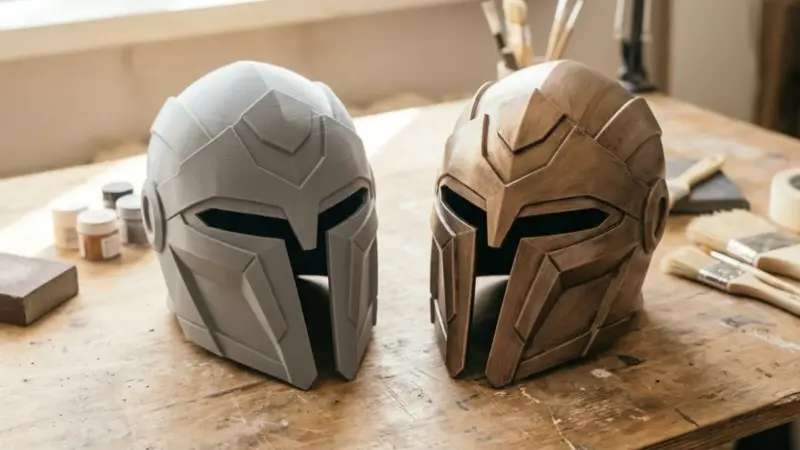
3D printing for cosplay and props: masks, weapons, armour and accessories. How to make a detailed costume with an FDM or SLA 3D printer.
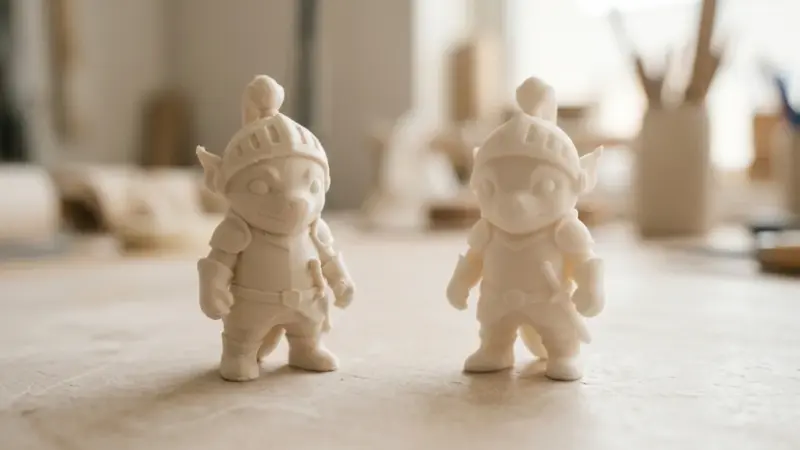
FDM and SLA 3D printing compared: accuracy, materials, cost and speed. Which technology should you choose for your project?
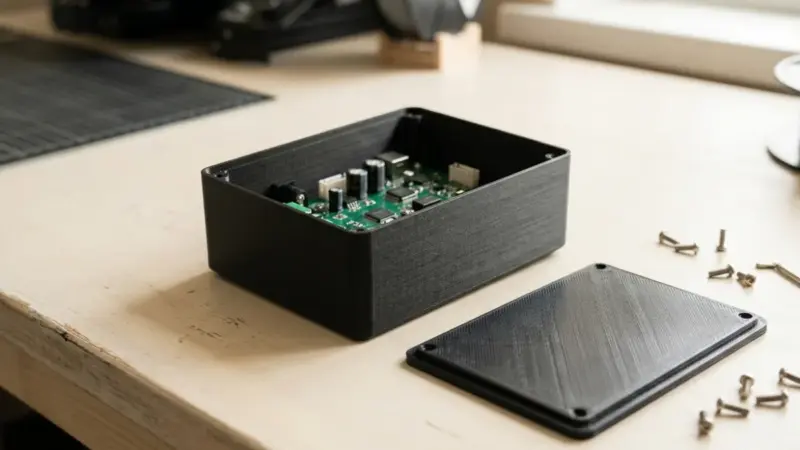
A guide to designing an enclosure for Arduino, Raspberry Pi and IoT: wall thickness, ventilation, snap-fits and screws, FDM tolerances, choosing PLA, PETG or ABS.
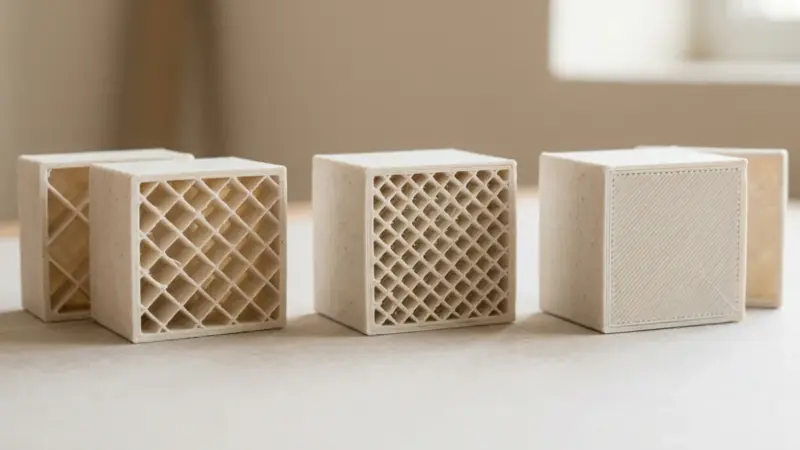
How to choose the right wall thickness and infill percentage for 3D printing. Recommendations for different types of parts and materials.
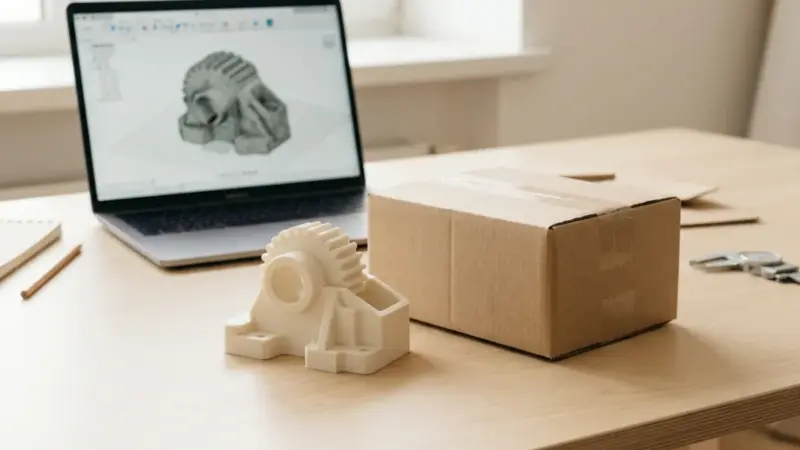
A step-by-step guide to ordering 3D printing online. Upload an STL file → get a price within an hour → printing in 1–3 days → Nova Poshta delivery.…
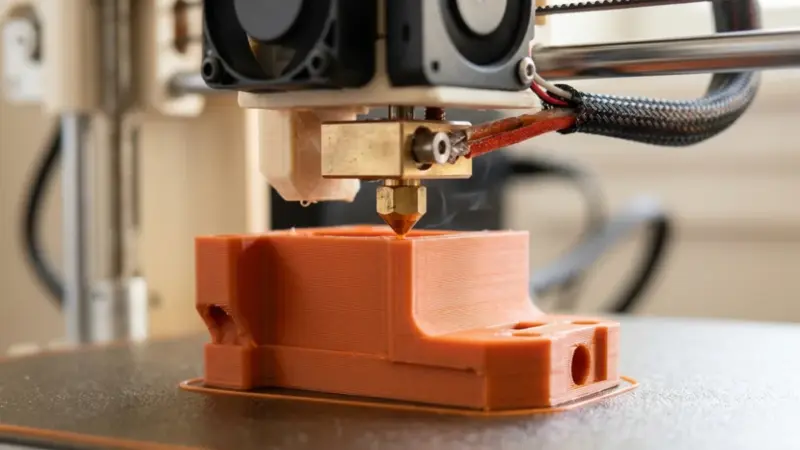
How FDM 3D printing works — building parts from melted plastic layer by layer. The technology, its pros and limits, and where to order printing in Ukraine.
Nothing found. Try another word or the “All” category.