Ideas
What to print for your home, hobbies, workshop and work
- 3D printing for artists and designers: from sketch to physical object
- 3D printing for the workshop and garage: DIY jigs and fixtures
8 articles in “3D printing materials”: Comparisons and reviews of PLA, PETG and TPU.
Each category has its own filament colour, just like on the home page.
What to print for your home, hobbies, workshop and work
PLA, PETG and other plastics: properties and how to choose
How to prepare a model and get a clean part
How 3D printing works and how the technologies differ
Prototypes, small batches and how 3D printing pays off for business
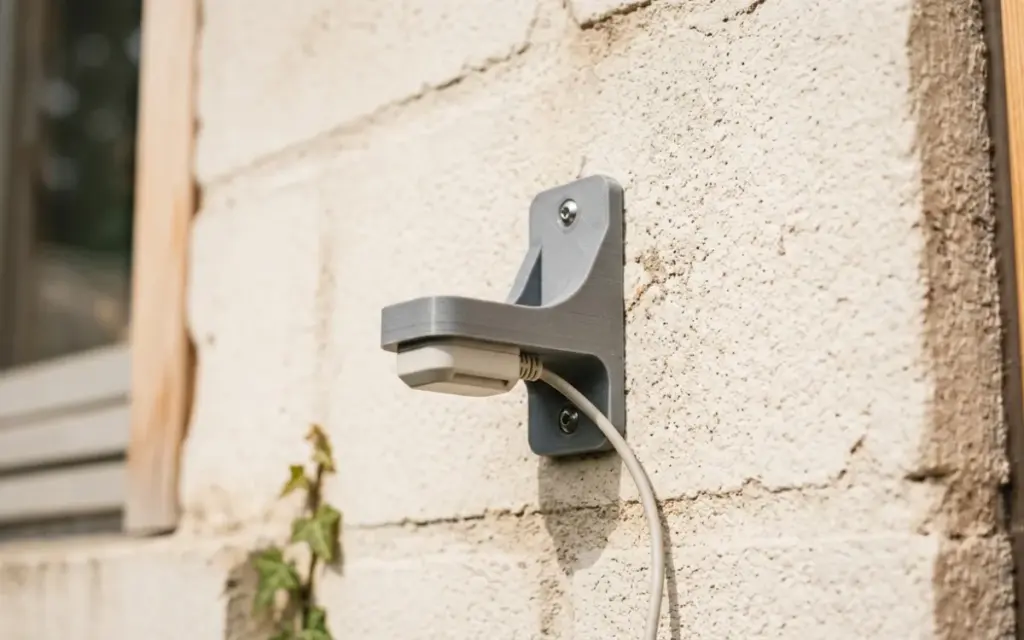
ASA filament for 3D printing — a UV-resistant material for outdoor use. A comparison with ABS, the best print settings and typical applications.
Read the article →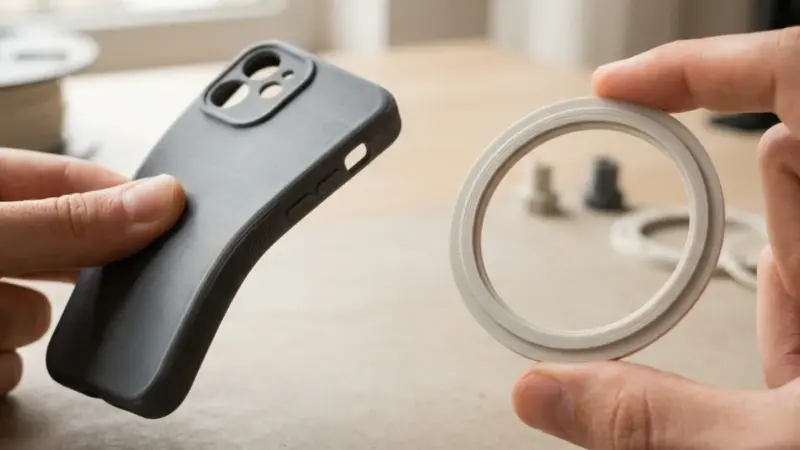
TPU for 3D printing — a flexible, elastic material for cases, gaskets and shock absorbers. Print settings, tips and applications of TPU.
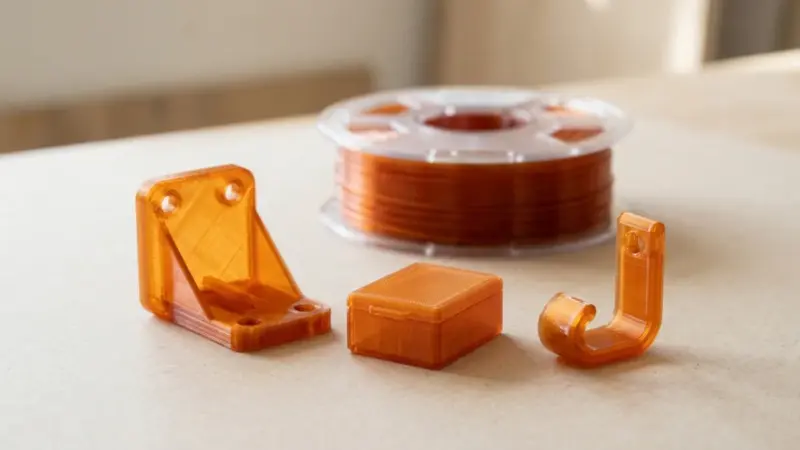
PETG for 3D printing — its properties, advantages over PLA and ABS, print settings and uses. Find out why PETG is chosen for functional parts.
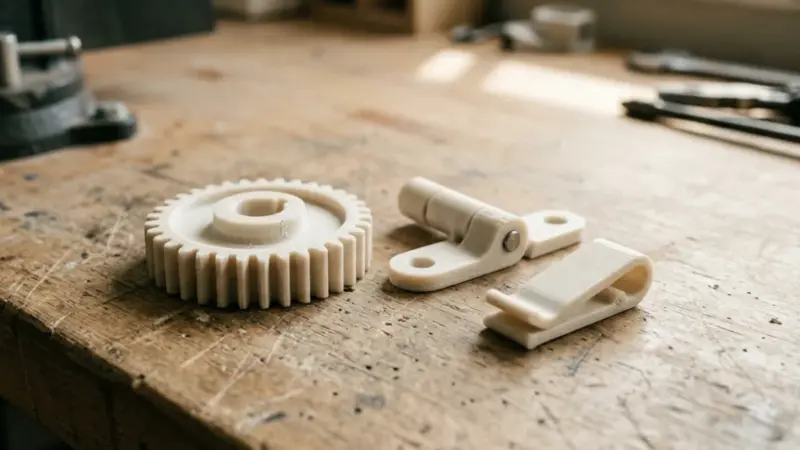
Nylon (PA6, PA12) for 3D printing: maximum strength, wear resistance and chemical resistance. When to choose nylon over PLA or PETG.
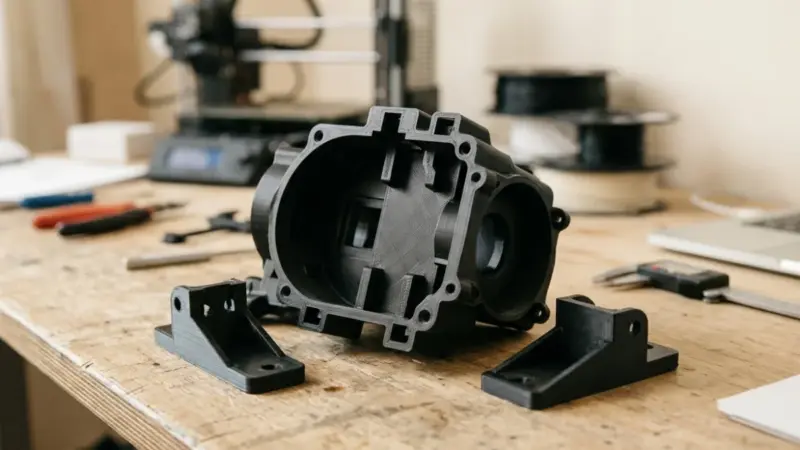
ABS plastic for 3D printing: heat resistance up to +100°C, strength and acetone smoothing. Its properties, advantages and when to choose ABS.
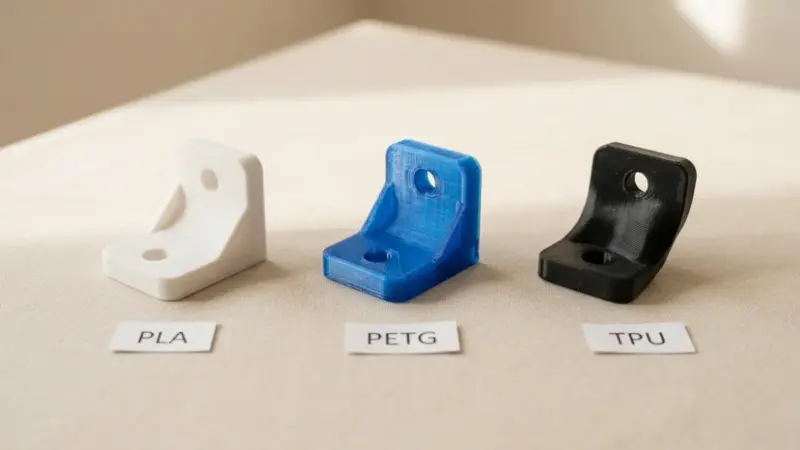
How PLA, PETG and TPU differ: strength, flexibility, heat resistance and price in one table. In short: PLA for decor, PETG for tough parts, TPU for flexible ones.
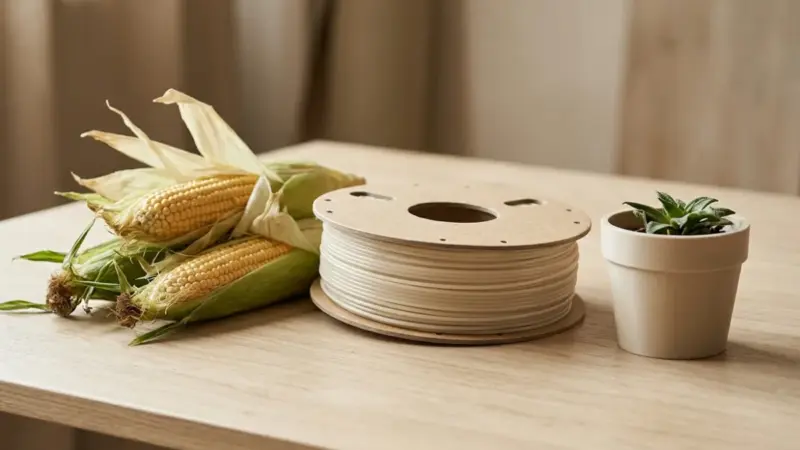
Is PLA really eco-friendly? What it’s made of, the conditions it needs to biodegrade, recycling options and its real impact on the environment.
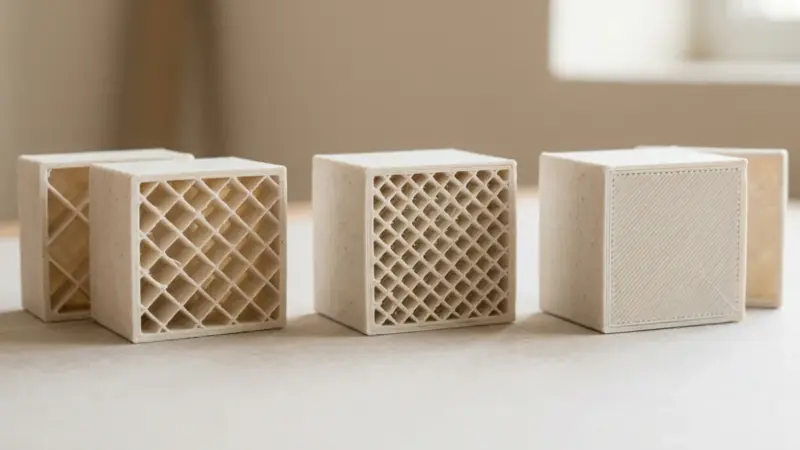
How to choose the right wall thickness and infill percentage for 3D printing. Recommendations for different types of parts and materials.
Nothing found. Try another word or the “All” category.