3D printing and the environment: plastic recycling and sustainability
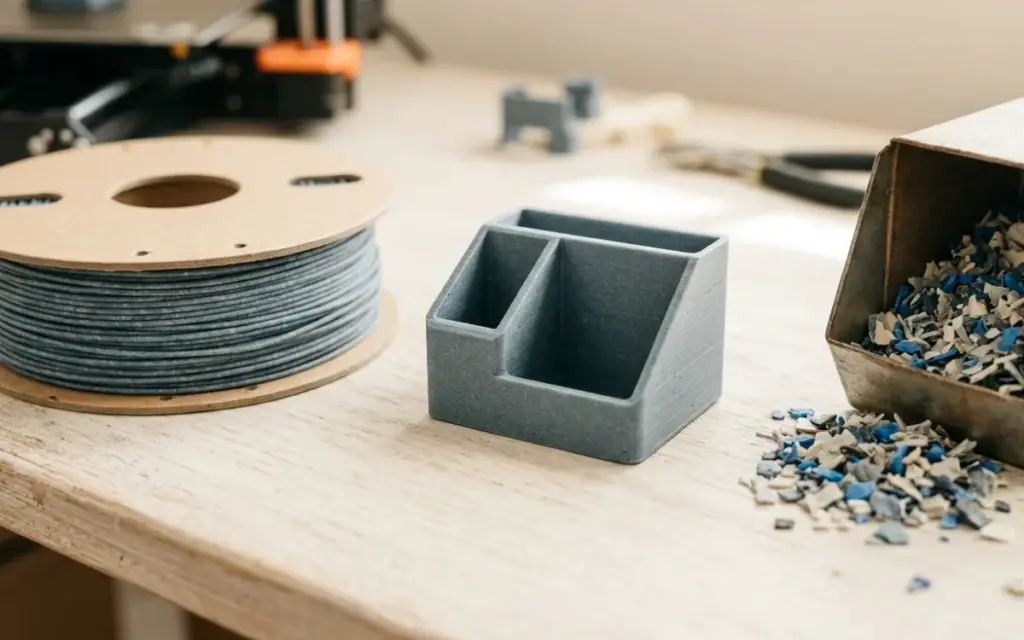
3D printing and the environment: how additive manufacturing is changing the approach to sustainability
3D printing is often associated with plastic, and plastic with pollution. But is it really that simple? In fact, additive manufacturing has significant environmental potential: from recycling failed prints to replacing traditional ways of making parts. In this article we look at how 3D printing can be part of the solution rather than the problem.
Recycling failed prints: a second life for plastic
Anyone who works with a 3D printer knows that not every print comes out perfect the first time. Failed models, supports, test pieces — all of this creates waste. But unlike most industrial processes, this waste can be returned to the production cycle.
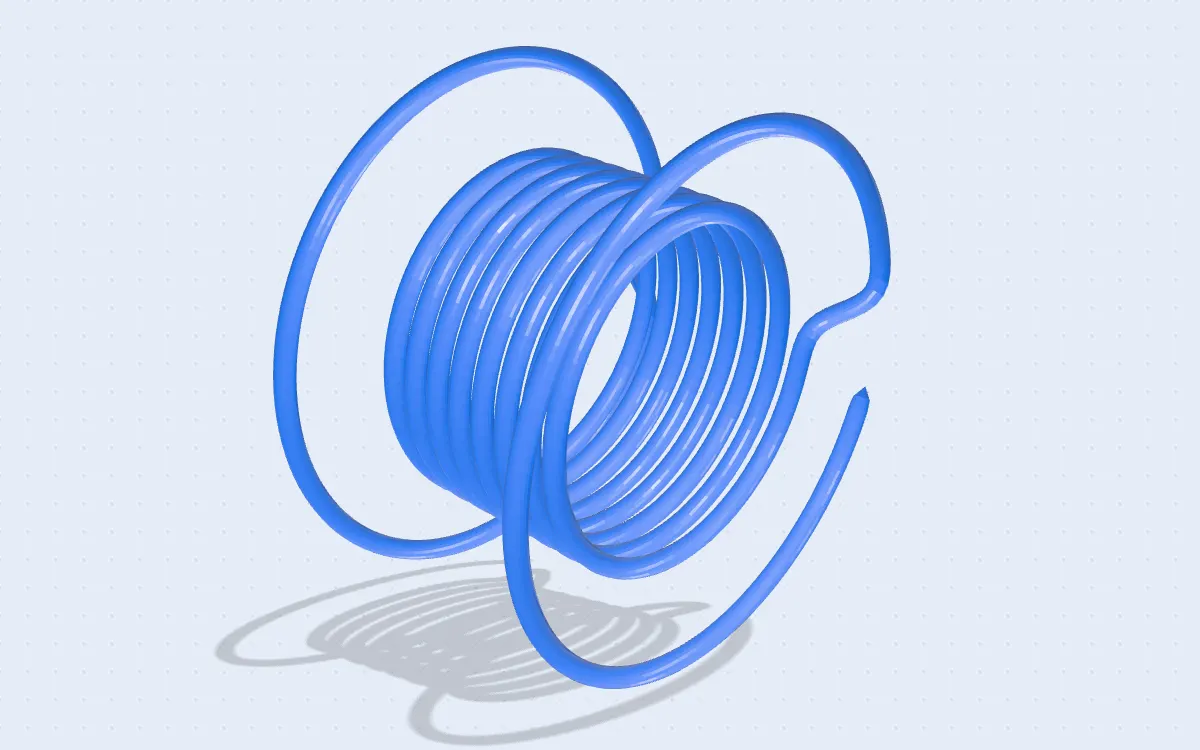
- Shredding and reuse. Special shredders turn failed prints into granules that can be melted down into new filament with an extruder.
- Sorting by plastic type. It’s important to separate PLA, PETG, ABS and other materials to keep the recycled feedstock high quality.
- Lower costs. Reusing plastic cuts material costs and reduces the amount of waste going to landfill.
Even if you don’t have your own recycling equipment, you can collect failed prints and hand them over to specialised companies. More and more workshops in Ukraine accept used plastic for recycling.
Recycled filament: rPETG, rPLA and other eco-materials
The market for 3D printing consumables is moving steadily towards sustainability. Today there are filaments made from recycled feedstock, and their quality is no longer inferior to “virgin” equivalents.
rPETG — recycling plastic bottles
rPETG (recycled PETG) is made from recycled polyethylene terephthalate — the same plastic drinks bottles are made from. The material keeps excellent mechanical properties: strength, moisture resistance and chemical inertness. And every spool of rPETG means dozens of plastic bottles that didn’t end up in landfill.
rPLA — a second life for bioplastic
rPLA is made from recycled polylactide. Since PLA is considered one of the most environmentally friendly 3D printing materials, recycling it doubles the environmental effect. The material prints well, has a pleasant matte texture and suits most decorative and functional items.
Other eco-materials worth mentioning include filaments based on wood fibre, coffee grounds and algae. You can learn more about the available 3D printing materials on our website.
Additive vs subtractive manufacturing: less waste at every stage
Traditional (subtractive) manufacturing works on the principle of “cut away what you don’t need”: material is removed from a blank by milling, turning or stamping until the required part remains. Anywhere from 50% to 90% of the original raw material can end up as waste.
3D printing works the other way round — material is added layer by layer, only where it’s needed. This is a fundamentally different approach with tangible benefits:
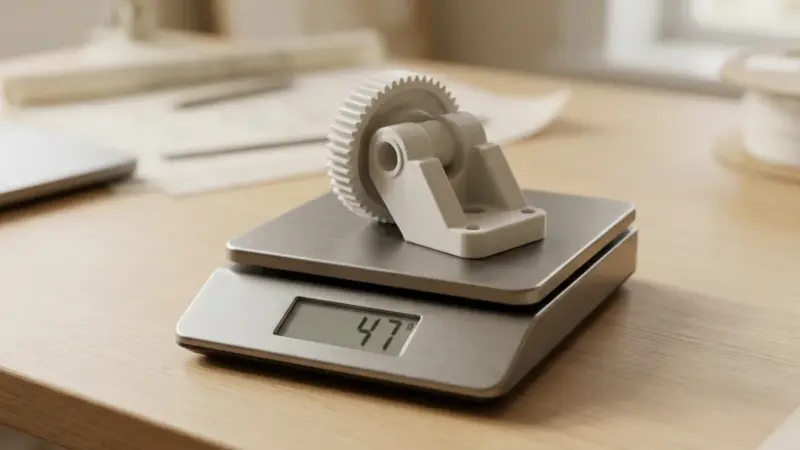
- Minimal waste. Only the plastic that forms the part and its supports is used. Typical losses are 5–15% instead of 50–90% with milling.
- No moulds or dies needed. Small batches don’t require injection moulds, which saves metal, energy and time.
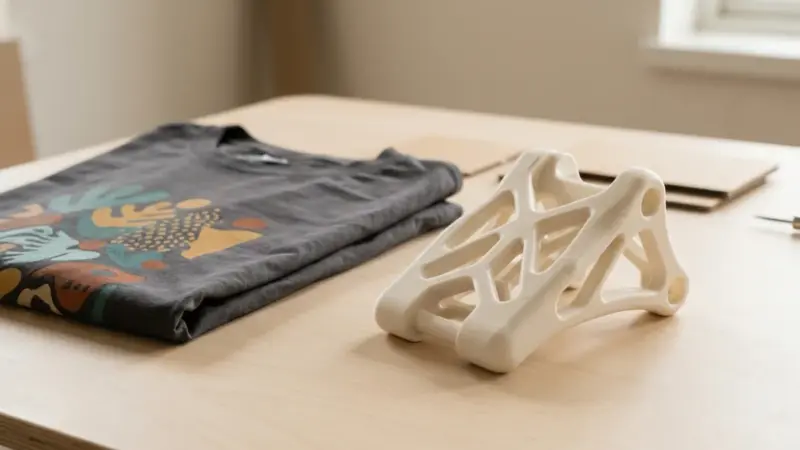
- Optimised geometry. Generative design makes it possible to create lighter parts that use less material while keeping the strength they need.
- Production on demand. Exactly as many parts as needed are printed — no overproduction and no leftover stock.
Local production: less transport, a smaller carbon footprint
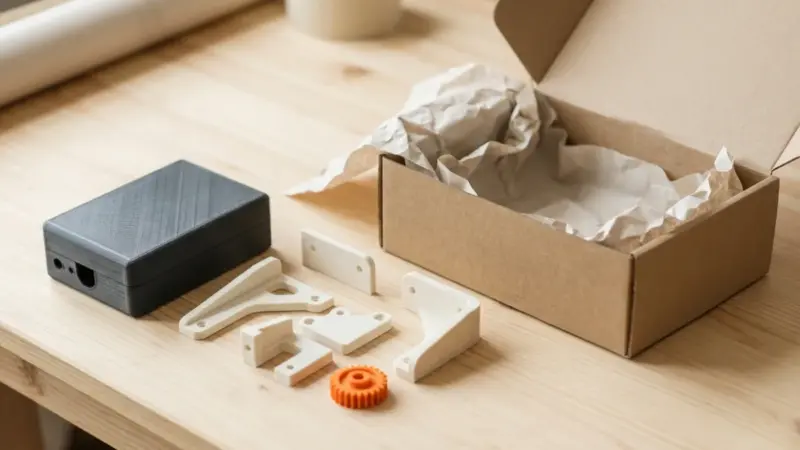
One of the most underrated environmental aspects of 3D printing is the ability to make parts where they’re needed. Instead of ordering a spare part from China, waiting weeks for air or sea delivery and adding to the carbon footprint of logistics, you can print the part in a local workshop.
A digital file is transferred in seconds, and the item is printed in a few hours. This means:
- No CO2 emissions from transport.
- Minimal packaging.
- Fast turnaround — no weeks of waiting for international delivery.
- Support for the local economy and jobs.
Repair instead of replacement: extending the life of things
The handle on a saucepan lid broke? A phone holder cracked? A latch snapped off in the washing machine? It used to be that the only option was to replace a whole assembly or buy a new appliance. 3D printing changes that.
Instead of throwing away a working appliance because of one broken plastic part, you can print an exact copy of the broken piece. This doesn’t just save money — it also significantly reduces electronic and household waste.
Researchers estimate that repairing household appliances with 3D-printed parts could reduce e-waste by 20–30% in the long term. Every repaired item means less pressure on landfill and fewer resources spent making a new product.
Biodegradable materials: PLA and its advantages
PLA (polylactide), the most popular 3D printing material, is made from renewable raw materials: corn starch or sugar cane. Unlike petrochemical plastics, PLA is biodegradable under industrial composting conditions.
Of course, PLA being biodegradable doesn’t mean you can just throw it into a forest — it needs special conditions (high temperature and humidity) to break down completely. But even under normal conditions PLA breaks down much faster than ABS or nylon and releases no toxic substances. We wrote more about how eco-friendly PLA plastic is in a separate article.
Practical tips: how to make 3D printing even greener
- Optimise models before printing. Setting infill, wall thickness and supports correctly reduces material use without losing quality.
- Collect and sort waste. Even if you don’t recycle plastic yourself, keep failed prints separately by material type.
- Choose eco-friendly materials. PLA, rPETG and other recycled filaments are a good alternative for projects that don’t need high heat resistance.
- Print locally. Order printing from local workshops instead of buying mass-produced goods from abroad.
- Repair, don’t throw away. Before buying something new, think — perhaps printing one spare part is enough.
Conclusion: a conscious choice for the environment
3D printing isn’t a cure for every environmental problem, but it is a powerful tool for reducing waste, optimising production and extending the life of things. Every printed repair part, every spool of recycled filament, every decision in favour of local production is a step towards a more sustainable future.
Sustainability starts with a conscious choice. And 3D printing technology makes that choice more accessible than ever.
Need eco-friendly 3D printing in Lviv?
We print in PLA and PETG. We’ll print the part you need, a spare for a repair or a prototype with minimal impact on the environment. Order 3D printing — send us a model or describe the task, and we’ll find the best solution.
Don’t want to prepare the file yourself? Send the model as it is — we’ll check it, fix any errors and quote it within an hour.